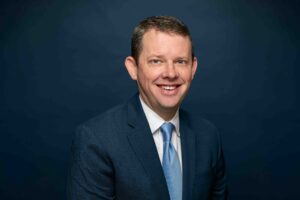
Molly Broughton grew up in Austin, Texas, and came to Washington, D.C. with a deep interest in politics, justice, and the environment. She received her undergraduate degree from American University, and an internship in the office of Representative Lloyd Doggett and lived through the Texas Freeze — the 2021 winter storm that left millions without power. Both experiences sharpened her awareness of how crises hit vulnerable communities the hardest. “Environmental policy is one of the most intersectional issues,” Molly said. “Although it impacts everyone, it disproportionately affects those who are already marginalized.”
 Molly’s introduction to lobbying came through an internship at Holland & Knight LLP, where she quickly discovered that lobbying is about education. “It was my job to make sure staffers understand issues that might otherwise not be on their radar,” Molly said. “This important work gave me a sense of purpose.” Today, as a Legislative Assistant in the firm’s lobbying division, Molly focuses on environmental and regulatory issues. “Even straightforward, non-controversial issues like recycling – which everyone wants – needs advocates,” Molly said. Molly is also pursuing a law degree at George Washington University, expanding her knowledge to help carry issues all the way through from advocacy to policy.
For Molly, the Bryce Harlow Fellowship feels like a natural extension of her work and values. Meeting with her mentor, Heidi Brock, she is learning by example the practice of ethical lobbying. At Holland & Knight LLP, she’s surrounded by alumni of the Fellowship program, including her mid-career mentor Andy Emerson, and sees firsthand how a culture of mentorship can shape careers. “The Fellowship engenders all that is good about lobbying,” Molly said. “I hope to carry on the legacy of Mr. Bryce Harlow throughout my career.”
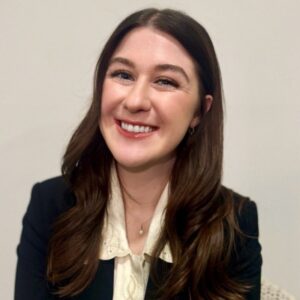 Bringing this perspective to Washington, D.C. Katie began working to shape federal policy. She started her career at a pharmacist association during the COVID-19 pandemic, and now serves as a Hospital Policy and Regulatory Analyst at the Association of American Medical Colleges (AAMC) where she focuses on hospital payment and drug pricing policy. Her work advances the mission of academic medicine and promotes equitable access to care.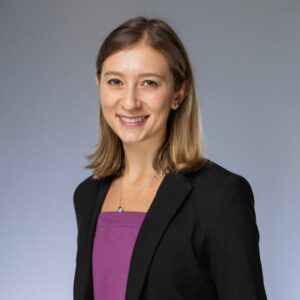
 These realizations propelled her toward a career in public service and public policy. After earning her undergraduate degree at American University, Kristen built her career around bringing rural perspectives into national discussions. During her work at Save the Children, leading its domestic nutrition policy portfolio, her advocacy efforts caught the attention of congressional staff, and this year she stepped into a new role as a Legislative Assistant on the House Agriculture Committee, covering the nutrition portfolio.
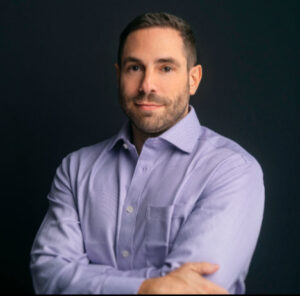 Mike was drawn to the Foundation through colleagues and clients already on the board, people he describes as some of the “smartest, kindest, most principled professionals” he knows. Their endorsement, along with the chance to contribute in a more direct and personal way, made the decision to join an easy yes.
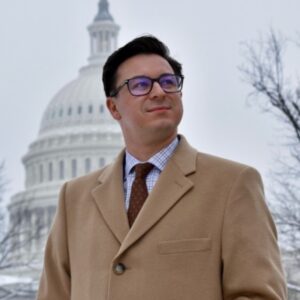 This remains his core belief today. He learned about the everyday impact of policy through internships on Capitol Hill after getting his undergraduate degree from American University. “Advocacy starts with people and communities, not partisanship,” Zil said. “Begin with the community you care about, learn what they need, and then map out a path together.”
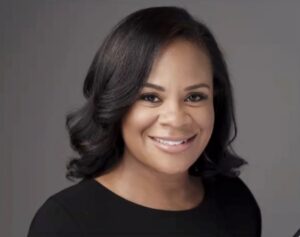 Her first introduction to the Bryce Harlow Foundation came years ago at the annual dinner. She remembers the impact of walking into a room filled with so many leaders from her professional world and being struck by the Foundation’s focus on the positive qualities of lobbying – both in individuals who practice it and in the craft itself. At a time when the profession was under scrutiny, the idea of honoring integrity, expertise, and thoughtful advocacy resonated deeply. Her new Board role with the Foundation feels especially meaningful, as P&G has deep ties to Bryce Harlow himself. Mr Harlow is widely considered the first corporate lobbyist, and Nicole takes pride in carrying forward that legacy of credibility and integrity.
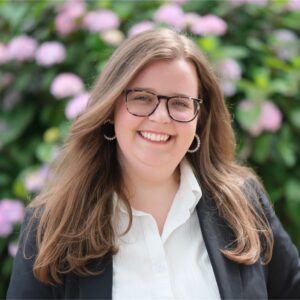 en tornadoes devastated the very district where she volunteered, AP helped the Congressional office research federal disaster funding. Seeing her work contribute directly to communities she cared about was a turning point. It inspired her to study political science and confirmed her belief that policy can drive meaningful change.